https://blogfreely.net/cedric83sam/comprehending-the-function-of-environment-in-dry-eye-disorder-practical -Banke Thestrup
If you're contemplating SMILE eye surgical treatment, contemplate this: are you prepared to embrace possible visual flexibility, or does the idea of any type of dangers make you hesitate? https://vulcanpost.com/649238/online-doctor-singapore-doctorxdentist/ will rest on a mindful equilibrium of considering the benefits against the unpredictabilities. It's important to dive deeper right into the subtleties of SMILE surgical treatment to make an enlightened option that lines up with your visual objectives.
Recognizing SMILE Eye Surgical Procedure
When taking into consideration SMILE Eye Surgical procedure, it is necessary to comprehend the procedure and its benefits. SMILE, which stands for Little Cut Lenticule Removal, is a minimally intrusive laser eye surgical procedure that corrects common vision problems like nearsightedness (nearsightedness).
Throughout the treatment, your eye doctor will certainly make use of a femtosecond laser to produce a small cut in your cornea. Through this incision, a tiny disc of cells called a lenticule is gotten rid of, improving the cornea and correcting your vision.
One of the essential advantages of SMILE Eye Surgical treatment is its fast healing time. Numerous clients experience enhanced vision within a day or 2 after the procedure, with very little pain.
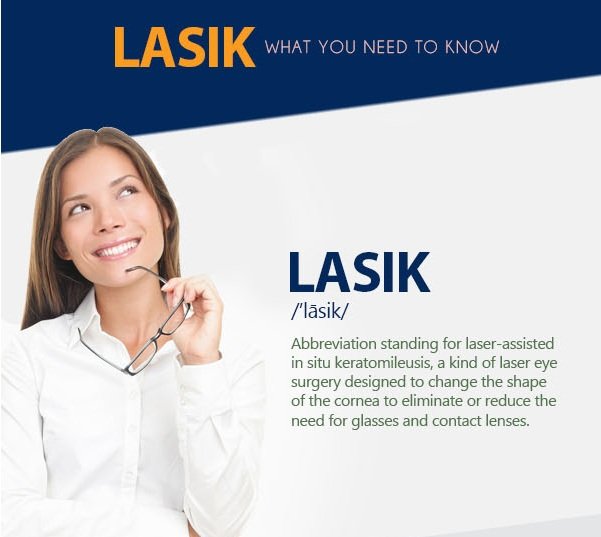
Additionally, SMILE is recognized for its high success rate in offering lasting vision adjustment. Unlike LASIK, SMILE doesn't require the production of a flap in the cornea, lowering the danger of complications and enabling a much more stable corneal structure post-surgery.
Recognizing the procedure and its advantages is essential when taking into consideration SMILE Eye Surgery for vision improvement.
Benefits and drawbacks of SMILE
Considering SMILE Eye Surgery for vision modification includes numerous advantages and possible disadvantages.
One of the main pros of SMILE is its minimally invasive nature, as it includes a tiny incision and usually leads to quick recuperation times. The procedure is likewise understood for triggering minimal discomfort and completely dry eye signs post-surgery compared to other vision adjustment approaches. In addition, SMILE has been shown to give superb visual end results, with many people accomplishing 20/20 vision or far better.
On the other hand, a prospective disadvantage of SMILE is that it may not be suitable for individuals with extreme refractive mistakes, as the treatment array is somewhat limited compared to LASIK. One more consideration is that the understanding curve for doctors executing SMILE can affect the availability of experienced providers in particular areas.
It's important to weigh these pros and cons thoroughly when choosing if SMILE is the right selection for your vision modification needs.
Identifying Eligibility for SMILE
To figure out if you're qualified for SMILE eye surgical treatment, your ophthalmologist will certainly conduct an extensive examination of your eye health and wellness and vision requirements. Throughout this assessment, elements such as the stability of your vision prescription, the thickness of your cornea, and the overall health and wellness of your eyes will be evaluated.
Usually, candidates for SMILE more than 22 years old, have a stable vision prescription for at least a year, and have healthy corneas without conditions like keratoconus.
Your optometrist will certainly also consider your total eye health and wellness, any type of existing eye problems, and your way of life needs to determine if SMILE is the right selection for you. It's essential to connect any kind of details visual requirements or issues you might have throughout this assessment to make certain that the treatment straightens with your expectations.
If you aren't eligible for SMILE, your ophthalmologist might suggest alternative vision improvement options that far better suit your private demands and eye health and wellness condition.
Conclusion
Eventually, choosing whether SMILE eye surgical treatment is right for you needs careful consideration of your specific eye health and aesthetic demands. Speak with your eye doctor to identify your eligibility for the treatment and weigh the prospective benefits and drawbacks. Remember to interact any type of worries or questions you may have during the examination process to make an enlightened decision regarding your vision adjustment options.